Slipped Disc treatment in Dhaka
Lumbar disc prolapse / herniation · স্লিপ ডিস্ক / ডিস্ক প্রোলাপস
When the soft centre of a spinal disc pushes out through its outer ring, it can press on a nearby nerve. Many people improve without an operation; a careful assessment tells you which path fits you.
Draft patient information — awaiting medical review by Prof. Dr. Md. Kamrul Ahsan before publication.
Overview
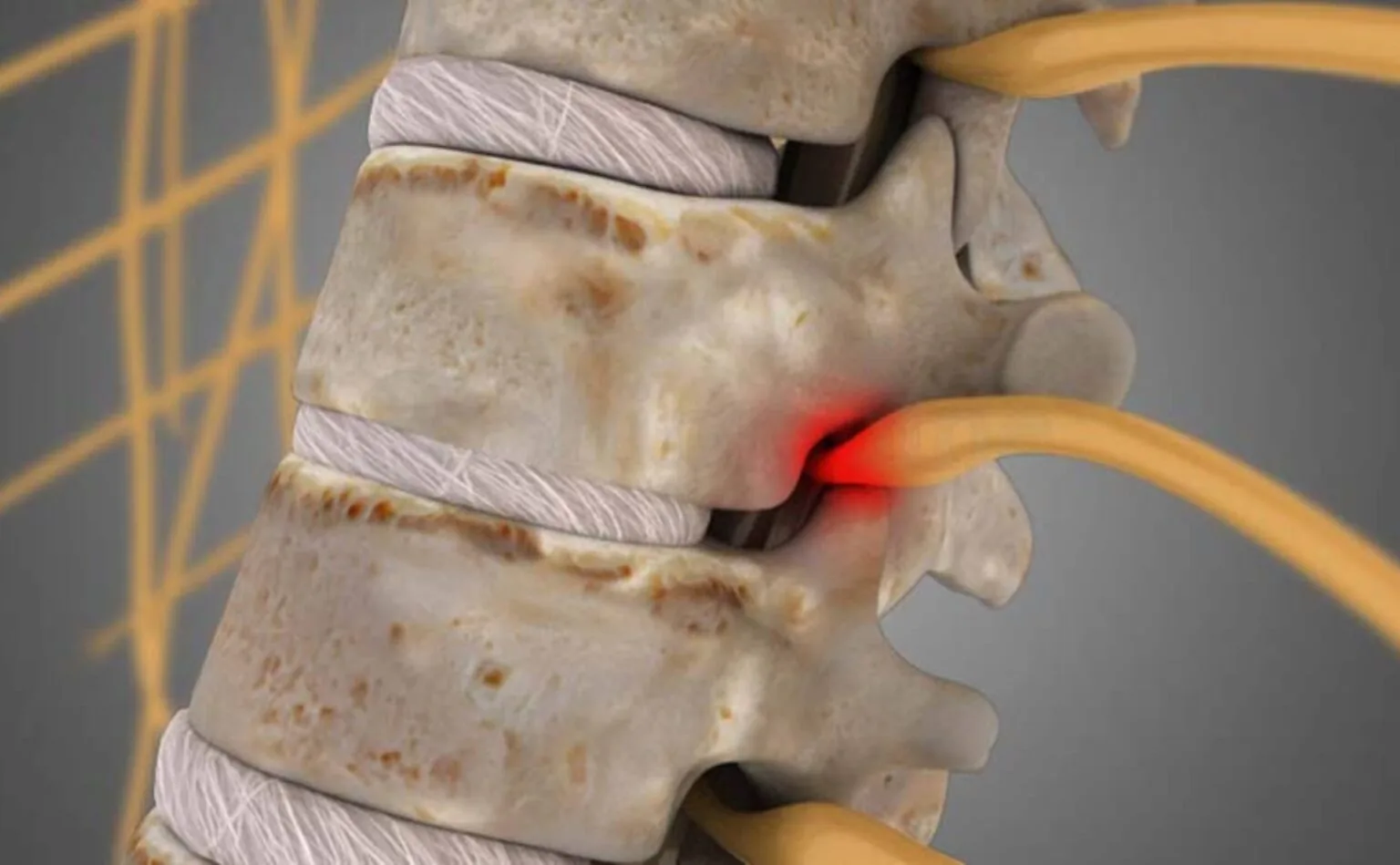
Between each pair of vertebrae sits a disc — a tough outer ring with a softer gel-like centre. With age, strain or injury, part of that centre can bulge or break through the ring. Doctors call this a disc prolapse or herniation; patients often call it a slipped disc.
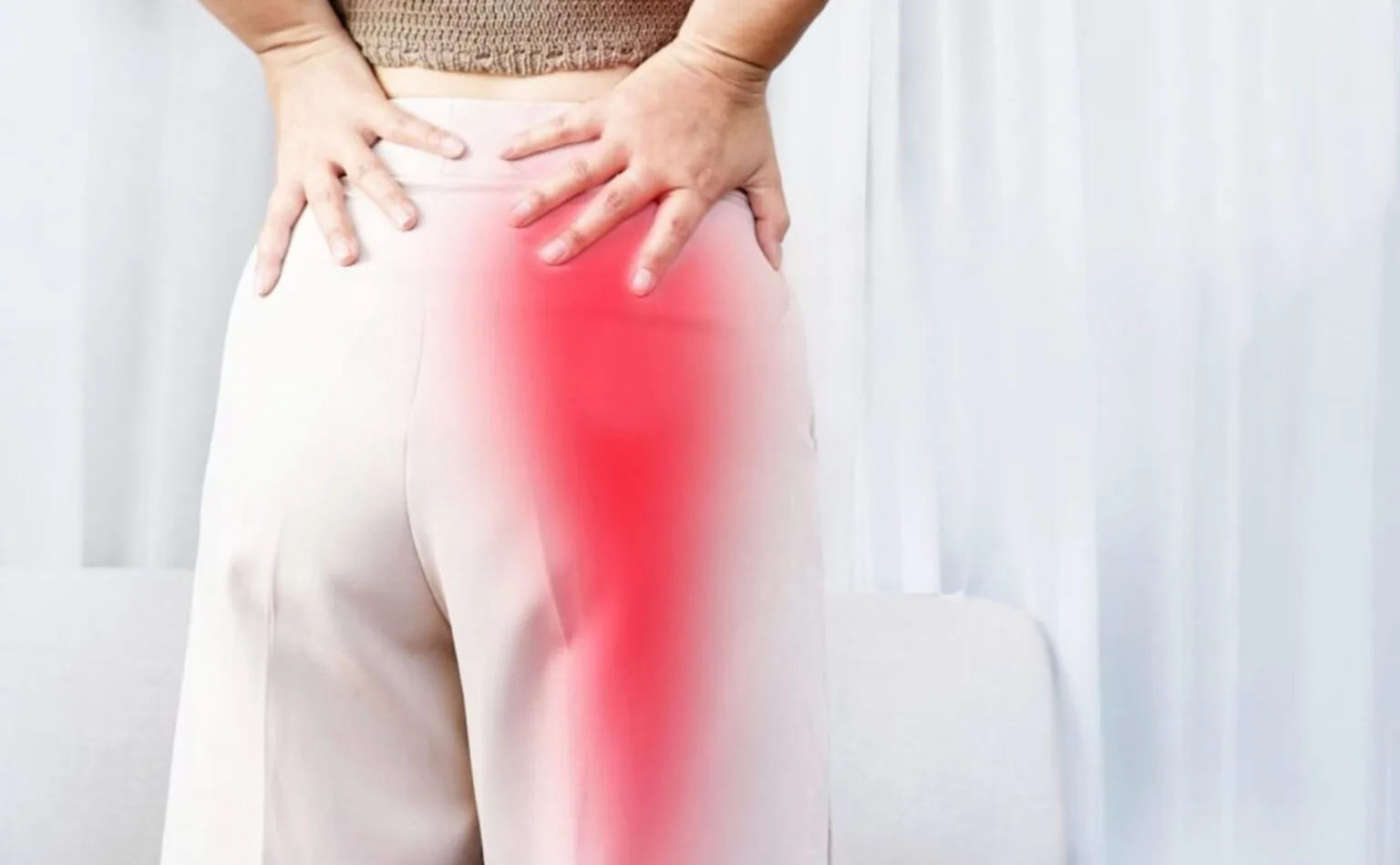
A prolapsed disc does not always cause pain. Symptoms appear when the disc material irritates or compresses a nerve root, which is why pain often travels into the buttock or leg rather than staying in the back.
Symptoms that may need assessment
- Low back pain that spreads into the buttock, thigh or leg
- Pain that worsens with sitting, bending, coughing or sneezing
- Numbness, tingling or a pins-and-needles feeling in the leg or foot
- Weakness in the leg or foot, or difficulty lifting the front of the foot
Seek urgent medical care if you have
- Loss of control of the bladder or bowel
- Numbness around the groin, buttocks or back passage
- Weakness in the arms or legs that is getting worse
- Severe pain after a fall, road accident or other injury
- Back or neck pain with fever, unexplained weight loss, or a history of cancer
How it is assessed
- A detailed history and a physical and neurological examination
- MRI of the spine when symptoms persist or nerve involvement is suspected
- X-ray to assess alignment and stability when indicated
Treatment options
Non-surgical care
- Activity modification — staying gently active rather than prolonged bed rest
- Pain-relieving and anti-inflammatory medicines as prescribed
- Guided physiotherapy and posture correction
- Regular review to track recovery of nerve symptoms
Surgical options
Surgery may be discussed when leg pain does not settle after an adequate period of non-surgical care, or when there is progressive weakness or loss of bladder or bowel control.
Options such as discectomy remove the portion of disc pressing on the nerve. The right procedure, if any, depends on your examination and scans.
No treatment can guarantee a particular result. Your options, their benefits and their risks are discussed with you at consultation.
Recovery
Recovery depends on the severity of nerve compression and the treatment chosen. Your doctor will advise on activity, work and follow-up for your situation.
Questions patients ask
Does every slipped disc need surgery?
No. Many people with a disc prolapse improve with non-surgical care. Surgery is considered for specific reasons, which your doctor will discuss after examining you and reviewing your scans.
Should I stay in bed?
Prolonged bed rest is generally not recommended. Gentle activity within comfortable limits usually helps recovery, but follow the advice you are given for your own condition.
Can a disc prolapse come back?
Recurrence is possible. Prof. Ahsan has published on the management of recurrent lumbar disc herniation; ask about your own risk at consultation.
From Prof. Ahsan’s published research
Discectomy for primary and recurrent prolapse of lumbar intervertebral discs
Lumbar revision microdiscectomy in patients with recurrent lumbar disc herniation: A single-center prospective series
Limited Discectomy for single level lumbar disk herniation: a retrospective study
Aggressive discectomy for single level lumbar disk herniation: a retrospective study of long-term outcome
Fusion versus Non fusion treatment for recurrent lumbar disc herniation
This page is general information for patients and is not a diagnosis or a substitute for a consultation. See the medical disclaimer.
You may also want to read
Book a consultation with Prof. Ahsan
Call the hotline for a serial at either chamber in Dhaka. Bring your previous prescriptions, reports and any X-ray, MRI or CT films.